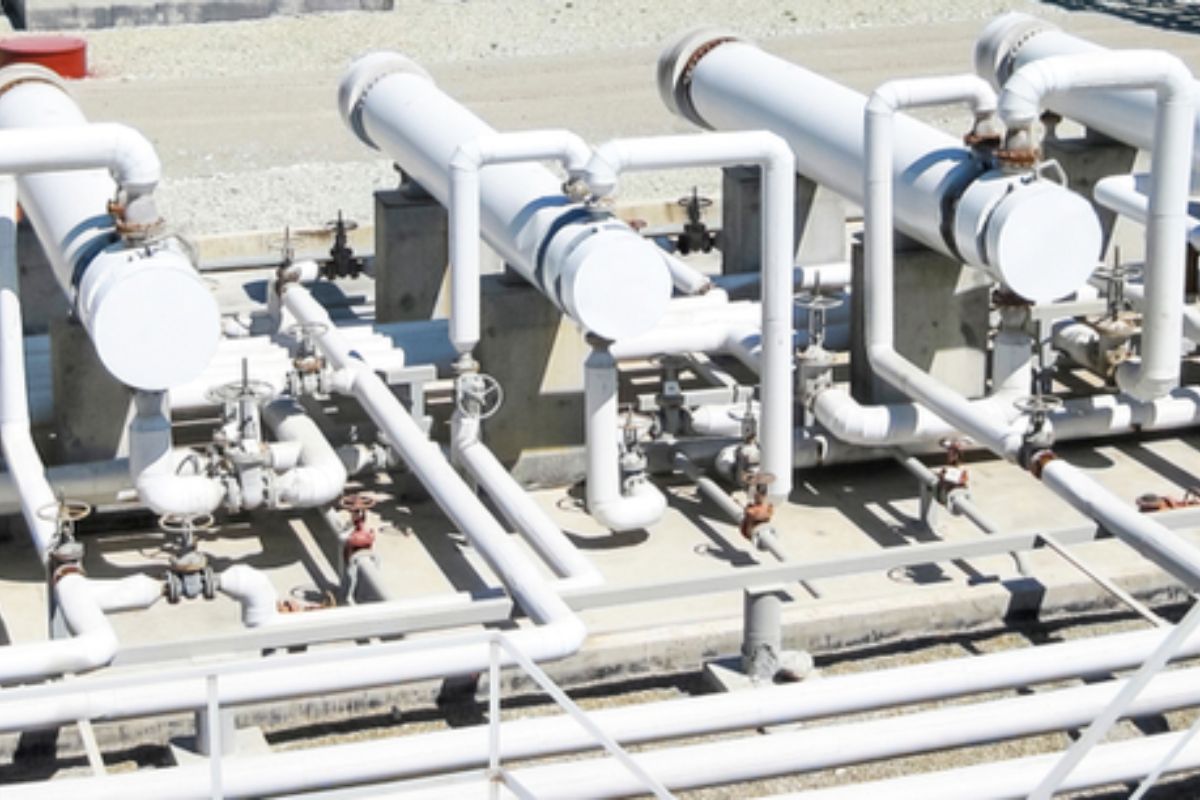
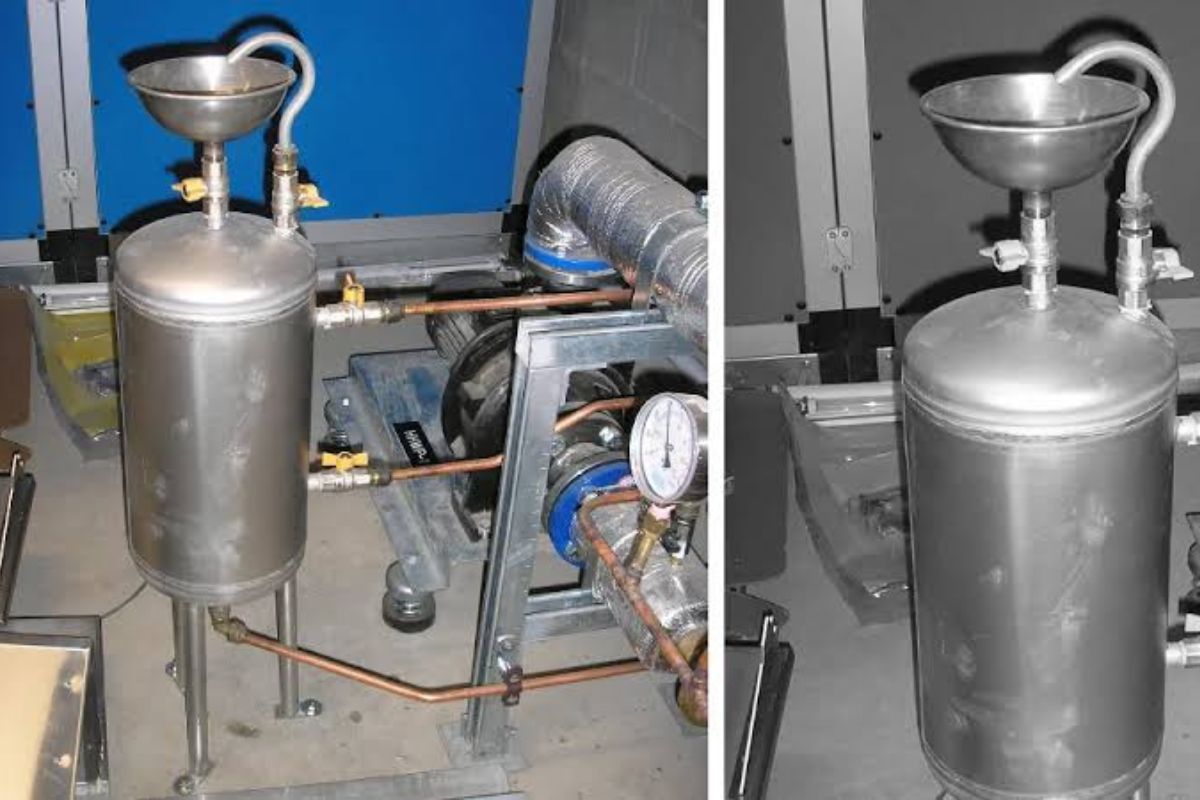
Manual Chemical Dosing for Condenser Water System is a simple and practical approach for adding suitable water treatment chemicals into condenser water systems according to defined treatment requirements.
Condenser water systems can experience scale formation, corrosion, suspended solids and deposit-related challenges due to continuous circulation, evaporation and changing water conditions. Regular chemical treatment helps manage these conditions and supports reliable cooling system operation.
Manual chemical dosing allows operators to add the required quantity of treatment chemical according to water analysis, system conditions and the prescribed treatment program.
Manual Chemical Dosing for Condenser Water System involves the controlled addition of water treatment chemicals into a condenser water circuit by an operator.
During cooling tower operation, evaporation can increase the concentration of dissolved minerals in the circulating water. This may contribute to scale, deposits and corrosion. A suitable chemical treatment program helps manage these conditions and supports reliable operation of cooling towers, condensers and water-cooled chillers.
Manual dosing can be carried out at defined intervals or according to the requirements of the treatment program. The quantity and frequency of chemical addition should be determined based on water analysis, system volume, circulation conditions, cycles of concentration and the specific chemical being used.
Manual Chemical Dosing can also be combined with side stream filtration, blowdown management and regular water-quality monitoring as part of a complete condenser water treatment program.
Helps maintain cleaner condenser water circulation and reduce unwanted suspended matter.
Appropriate treatment helps manage mineral deposits that can accumulate on heat-transfer surfaces.
Water treatment programs can help manage corrosion within condenser water circuits
Helps maintain better water quality throughout the condenser water circulation system.
Proper water treatment can help maintain cleaner heat-transfer surfaces and support cooling performance.
Supports the protection of condensers, cooling towers, pumps and associated components.
Reduced Scale Formation
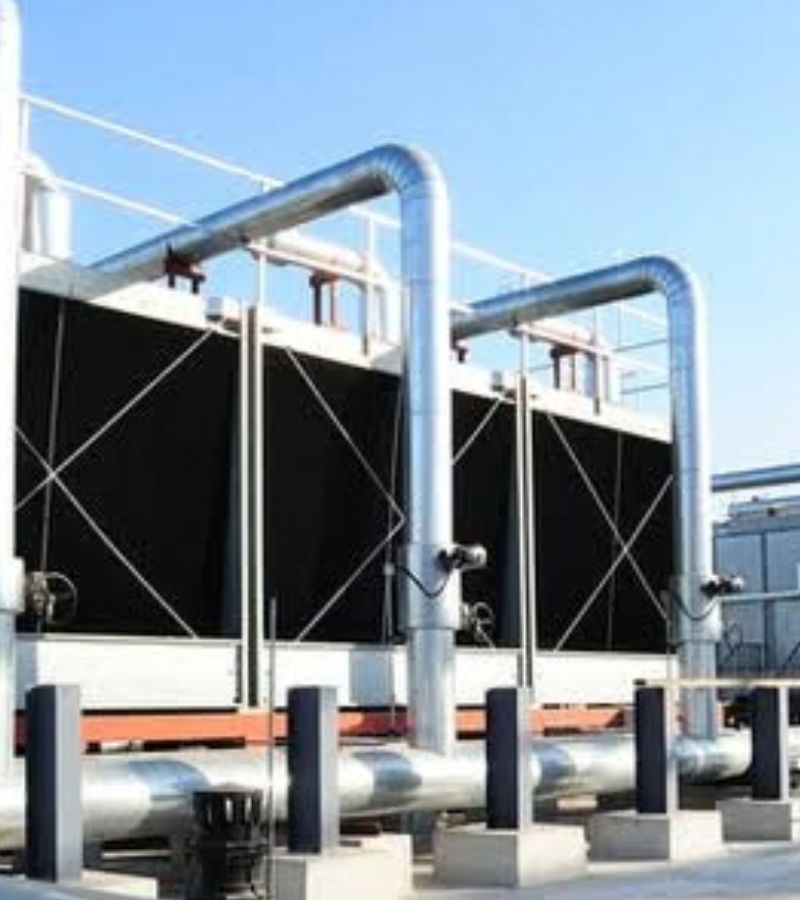
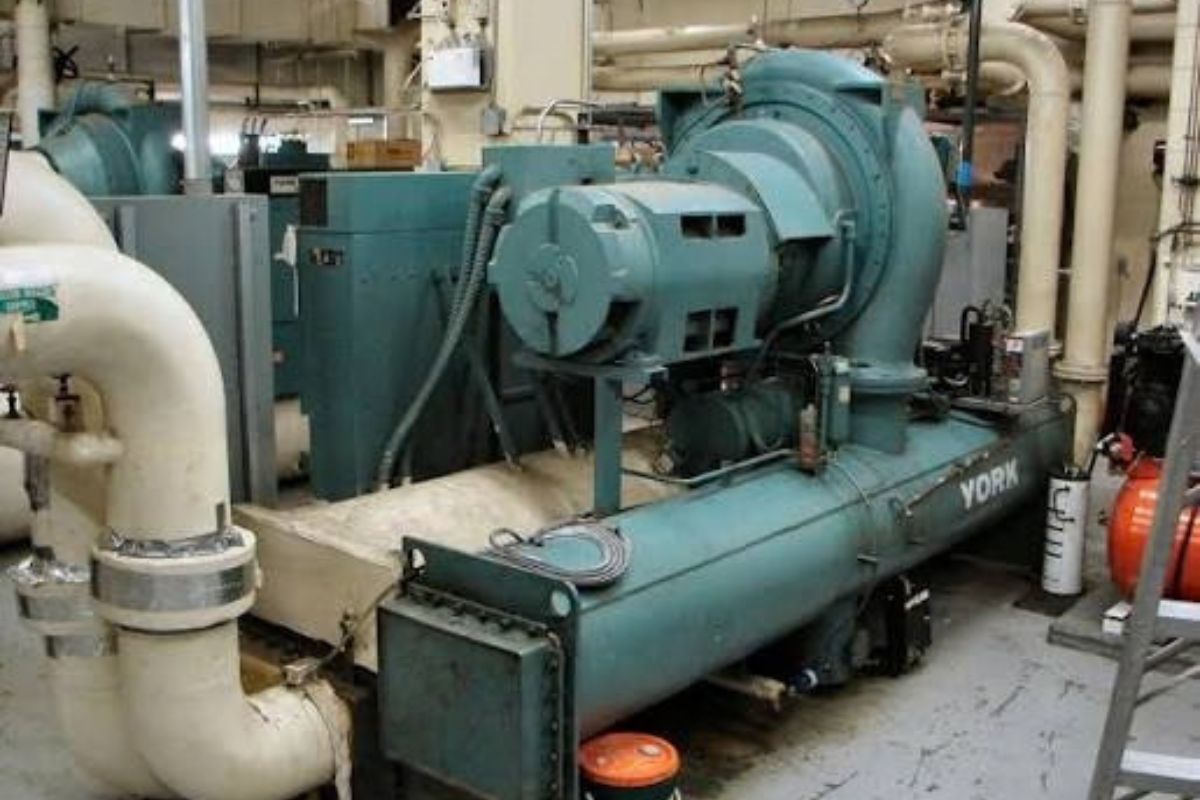
Condenser water treatment solutions can be used across a wide range of commercial, industrial and institutional cooling applications.
| Specification | Details |
|---|---|
| Service Type | Condenser Water Treatment |
| Primary Purpose | Condenser Water Quality Management |
| Applications | Cooling Towers & Water-Cooled Chiller Systems |
| Treatment Scope | Filtration, Chemical Dosing & Water Treatment |
| Key Concerns Addressed | Scale, Corrosion, Suspended Solids & Microbiological Growth |
| Suitable For | Commercial, Industrial & Institutional Systems |
| Service Approach | Requirement-Based Water Treatment Solutions |

Talk to our team about your project requirements and product specifications.
Get In TouchCondenser water treatment involves managing the quality of water circulating between cooling towers and condenser equipment to help control scale, corrosion, suspended solids and microbiological growth.
Proper treatment helps maintain cleaner heat-transfer surfaces and supports reliable operation of cooling towers, condensers, pumps and water-cooled chillers.
Inchem Corporation provides specialised water treatment and filtration solutions for commercial, industrial and infrastructure applications. Our solutions include condenser water treatment, chilled water treatment, side stream filtration, automatic dosing, manual dosing, water softening plants, chemical flushing and other water management technologies.
Our condenser water solutions are designed to help maintain cleaner cooling water and manage common water-quality concerns such as scale, corrosion, suspended solids and microbiological growth.
We provide requirement-based solutions according to water quality, system capacity, cooling tower conditions, operating parameters and individual project requirements.
Our focus is on supporting effective water treatment, improved heat-transfer conditions and reliable operation of condenser water and cooling systems.